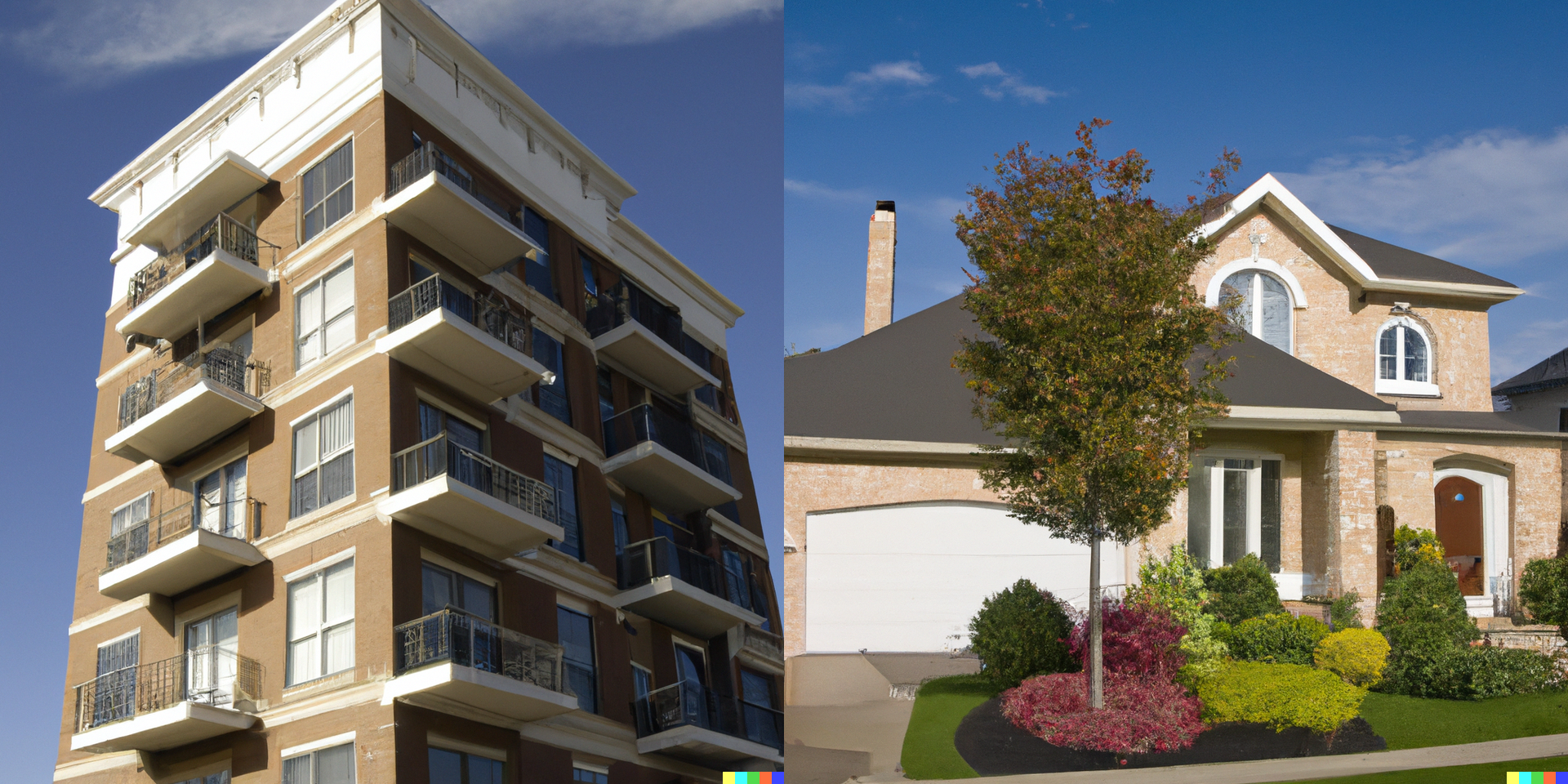
Homeownership vs. Renting
Homeownership is the purchase and ownership of a property, such as a house or a condo. To buy a home, you typically need to make a down payment, a percentage of the home's purchase price and take out a mortgage loan to finance the rest of the purchase. The mortgage loan is paid back over a set period, usually 15-30 years, with interest. In addition to the mortgage payment, homeowners are responsible for property taxes, insurance, and maintenance costs. Homeownership can be a great way to build long-term wealth and stability, but it also comes with many financial and lifestyle responsibilities.

Renting is living in a property owned by someone else, typically a landlord. To rent a property, you usually need to sign a lease agreement, which outlines the terms of your tenancy, including the rent, the length of the lease, and any restrictions or requirements. Renters are typically responsible for paying rent on time and keeping the property in good condition. However, landlords are usually responsible for repairs and maintenance. Renting can be a good option for those who want more flexibility and want to avoid the financial and maintenance responsibilities of homeownership. However, renting can also have its downsides, such as the lack of control over your living space and the possibility of rent increases or eviction.
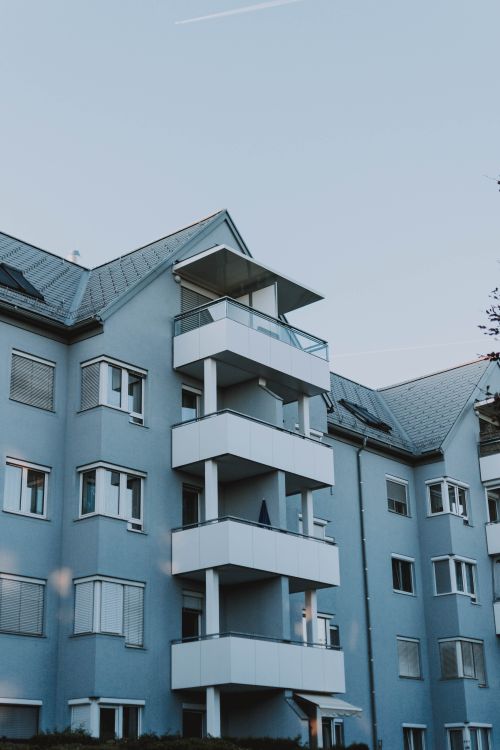
Weighing the Pros and Cons
The decision to buy a home or rent is a big one. Each option has its benefits and downsides. Understanding these pros and cons can help you decide which choice is right for you.
Benefits of Homeownership
- Investment: A home can be an excellent long-term investment. Over time, your home can appreciate in value, providing a return on investment if you decide to sell.
- Equity: As you pay off your mortgage, you build equity in your home. This can provide a valuable asset for your future, as you can borrow against this equity or use it as a source of retirement income.
- Stability: Homeownership can provide stability and security that renting cannot. You control your living space and can modify and improve as you see fit.
- Tax benefits: Homeowners can deduct mortgage interest and property taxes from their income taxes, potentially reducing their tax burden.
Downsides of Homeownership
- Cost: Homeownership comes with many expenses beyond the mortgage, including property taxes, insurance, repairs, and maintenance. These costs can add up quickly and can be challenging to manage.
- Commitment: When you buy a home, you commit to living in the same place for several years, if not longer. This can limit your flexibility if you need to move for work or other reasons.
- Responsibility: As a homeowner, you are responsible for all property repairs and maintenance. This can be time-consuming and costly.
Benefits of Renting
- Flexibility: Renting allows you to move more quickly than homeownership. You can end a lease after a year or two without the hassle of selling a home.
- Lower upfront costs: Renting usually requires lower upfront costs than homeownership, as you don't have to pay a down payment, closing costs, or other expenses associated with buying a home.
- Fewer responsibilities: When you rent, the landlord is typically responsible for repairs and maintenance of the property. This can save you time and money.
Downsides of Renting
- Equity: Renting does not provide the opportunity to build equity in a property, which can limit your long-term financial options.
- Less stability: As a renter, you are subject to the landlord's whims. They can raise the rent, change the terms of your lease, or even decide not to renew your lease.
- Limited control: You have limited control over your living space when renting. You may only be able to make significant modifications or improvements with the landlord's permission.

How Thousand Keys Can Help You with Homeownership
If you decide that homeownership is the best for you, our company can help you navigate the process. We have experienced team members who can guide you through every step of the home-buying process, from pre-approval to closing. In addition, our company offers to make homeownership possible with our in-house financing, reducing housing expenses with owner finance terms at a discount to area rent and improving borrowers overall financial stability with post-purchase buyer-success programs. Our company is committed to helping you achieve your homeownership goals and making the process as smooth and stress-free as possible. Contact us today to learn more about how we can help you on your path to homeownership.



Responses